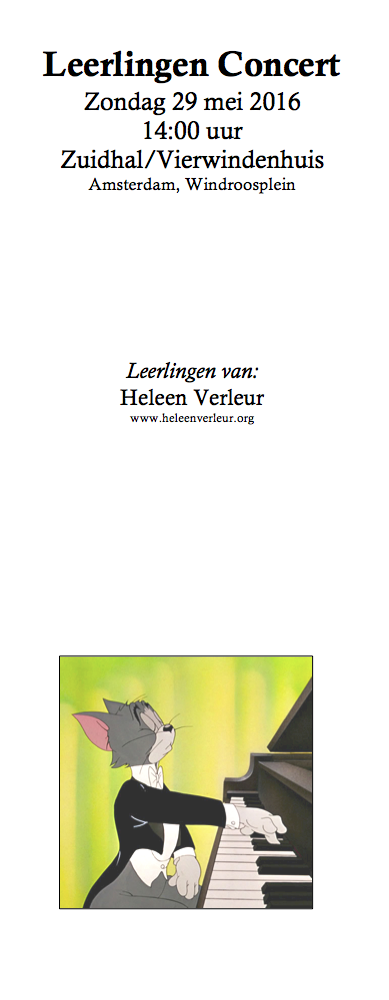
De leerlinguitvoering van 29 mei 2016 in de Zuidhal in Amsterdam was een succes.
In totaal 13 leerlingen hebben de sterren van de hemel gespeeld.
Leerlingenuitvoering 29 mei 2016 Youtube
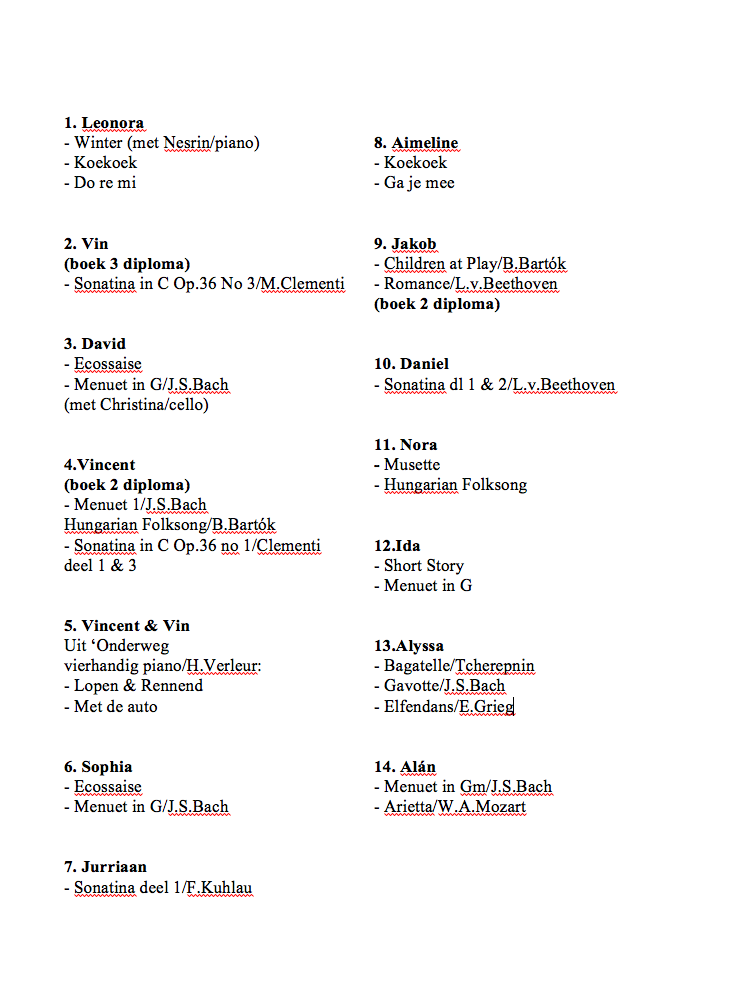
De leerlinguitvoering van 29 mei 2016 in de Zuidhal in Amsterdam was een succes.
In totaal 13 leerlingen hebben de sterren van de hemel gespeeld.
Leerlingenuitvoering 29 mei 2016 Youtube

As zondag is het dan zover; 5 juni, trio-dag!
Er wordt hier en daar al druk geoefend en dat is nuttig en leuk.
Een paar mededelingen;
Elk trio heeft minimaal één pauze.
Bij mooi weer is het natuurlijk heerlijk buiten. In het andere geval zitten
we weliswaar in een groot gebouw, maar we hebben geen aparte ruimte om te
zitten en ons te vermaken.
Wel zal ik op de eerste verdieping bij de keuken een tafeltje en krukjes neerzetten
met koffie, thee en limonade (koekjes en Donald Duck’s welkom!). De mensen
die daar werken weten dat er wat extra gezelligheid zal zijn deze dag.
Zet je instrument in de volgende ruimte waar je les gaat krijgen, vóór je pauze
begint! Dan stoor je niet tijdens de les van een ander trio.
Lunch zelf meebrengen.
Pianisten; er zijn geen voetenbankjes, er zijn zes piano’s, laten we even kijken
wie wat meebrengt zodat er genoeg, maar niet te veel zijn!
Cellisten; zelf eventueel een goed krukje (anders hebben we Ikea krukjes en die
van Brendan), en plankje meenemen.
Lessenaars zijn aanwezig.
Bijgaand het rooster voor de dag en een plattegrond van het gebouw.
Ik hoop jullie allemaal te zien en er een fijne dag van te maken!
groetjes, Monique (06-26062982)
Op zondagmiddag 29 mei is er een leerlingenconcert in de Zuidhal van het Vierwindenhuis in Amsterdam, van de Suzuki pianoleerlingen van Heleen Verleur. Het concert begint om 14 uur en zal rond 15:15 uur zijn afgelopen. Vanaf ± 13 uur is er mogelijkheid tot inspelen.
Een aantal leerlingen zullen bij deze gelegenheid een diploma krijgen omdat ze hun boek uithebben.
De Zuidhal is één van de vier gemeenschappelijke hallen van het Vierwindenhuis. De hal vertegenwoordigt het element ‘lucht’ en heeft een blauwe kleur gekregen. Met zijn loopbruggen binnen in de hoge hal is zij een ontmoetingsplaats voor bewoners naar of van hun huis op de verschillende verdiepingen.Je staat letterlijk in de lucht als je op 3 hoog spreekt met je buurman van de 4de verdieping.
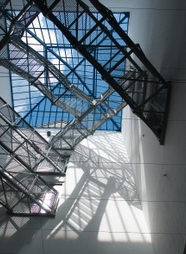
Lucht is ook het voortplantingsmedium voor geluid. Daarom werd de Zuidhal al gauw voorbestemd om te dienen als theater en ‘concertzaal’. Allerlei soorten muziek – van de middeleeuwen tot hedendaags, van ernstig tot pop – worden er ten gehore gebracht met vaak verrassende uitvoeringen.
This article I found some time ago on internet.
It’s an extremely clear and powerful article about sight reading.
It is written by Karen Marshall. She gives an explanation of the ideas of her former teacher Christine Brown.
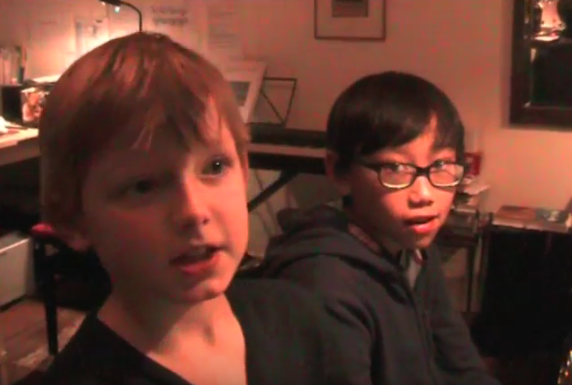
Vincent & Vin spelen samen:
‘Lopend en Rennend’ van Heleen Verleur (Youtube)
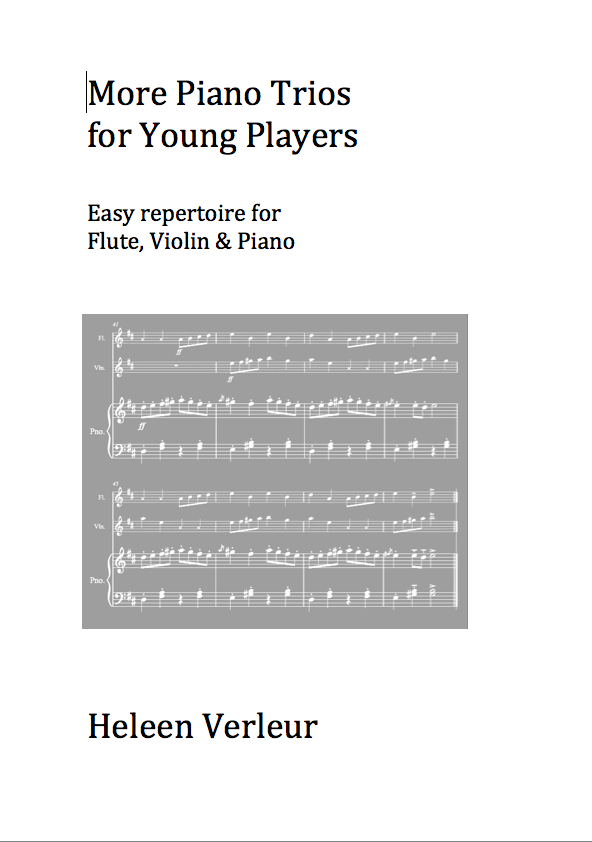
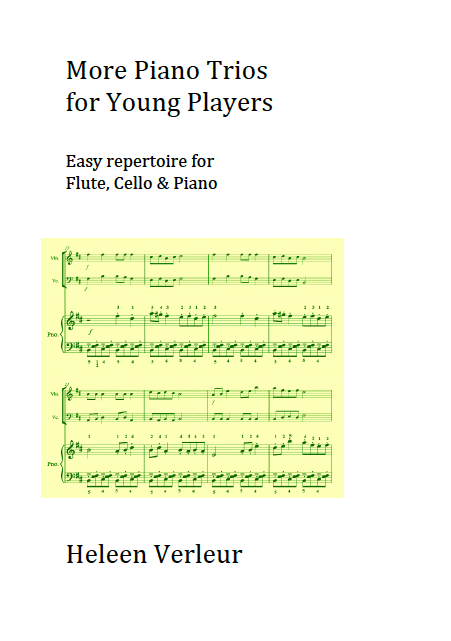
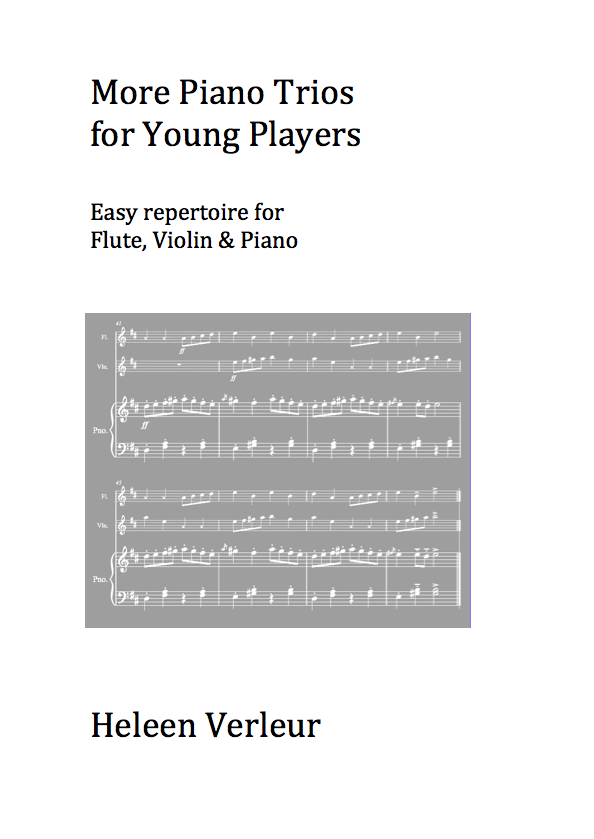
Op zondag 5 juni 2016 vindt er een Piano Trio dag plaats in het Zeemanshuis te Amsterdam waarbij allemaal ‘Piano Trios for Young Players’ van mijn hand gespeeld gaan worden door diverse violisten, cellisten, pianisten en fluitisten. Er worden in totaal 10 trio’s uitgevoerd door allemaal ‘Young Players’. Er doen ± 30 kinderen aan mee, en diverse docenten. De dag wordt georganiseerd door violiste/viooldocente Monique Dowgwillo. Voor deze dag zijn een aantal nieuwe trio’s geschreven speciaal voor fluit, viool en piano en voor fluit, cello en piano. Deze zullen uitgegeven worden in de Alfred (UK) serie waarvan binnenkort de eerste twee delen uitkomen.
Dit is de samenstelling van de groepen (de namen tussen haakjes zijn de docenten):
Cats (fluit, viool, piano) door; Sam (12. Gerda) + Rouven (12, Monique) + Ilja (12, Brook)
Horse Ride (fluit, cello, piano) door; Stanne (9, Gerda) + Vincent (9, Heleen) + Rozemarijn (9, Brendan)
Hurdy-Gurdy (fluit, viool, piano) door; Fenna (10, Gerda) + Roemer (11, Coutier) + David (10, Heleen)
Windmill (fluit, viool, piano) door; Sophie (10, Gerda) + Luit (10, Coutier) + Ruben (10, Jana)
Japanese Fireflies (fluit, viool, piano) door; Caitlyn (8, Gerda) + Wolfje (9, Monique) + Annelinde (10, Jana)
Jumping Rabbits (nr. 4 viool, cello, piano) door; Eliot (7, Brendan) + Betty (7, Monique) + Tess (8, Brook)
Memories (nr. 6, viool, cello, piano) door; Daantje (12, Brendan) + Simone (12, Coutier) + Jane (11, Brook)
Chinese Dragon (nr. 10, viool, cello, piano) door; Maxwell (8, Brendan) + Julia (8, Monique) + Alyssa (Heleen)
Wheeping Whale (nr. 3, viool, cello, piano) door; Ties (11, Janece) + Nyske (13, Monique) + Stella (11, Brendan)
At the Farm (nr. 2, viool, cello, piano) door; Noah (8, Brendan) + Marthe (8, Monique) + Pomme (8, Jana)
This article I copied from elissamilne.wordpress.com (Elissa Milne)
It clearly deals with the role of the parent during the Suzuki lessons.
It seems very strict but I think she’s right.. although I’m not so firm myself, sometimes..
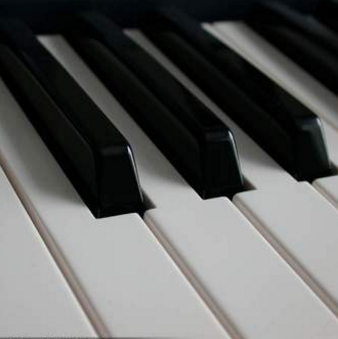
Parents who sit in on piano lessons
Parents of piano students: you immediately subdivide into Those Who Send Their Children In, and Those Who Sit In On The Lesson.
Just quietly, piano teachers probably also have you classified on quite different grounds as Those Who Think Practicing Is Optional, and Those Who Take This Seriously.
But for now we are talking specifically about what’s in it for you, for your child, and for the teacher when you choose to sit in on a lesson. And what you simply must never ever do.
I would guess that a significant majority of piano teachers who give one-on-one piano lessons would much prefer it if the parent(s) stayed out of the room while the lesson was in progress. In practice most teachers will insist that parents not sit in on lessons. And for some good reasons: students change when their parents are present! Almost without exception they become more withdrawn, less confident when trying something new, and less willing to share their opinions. Teachers are very reluctant to risk admitting these kinds of behavioural adjustments to their lesson when so much about playing the piano (or mastering any performance skill) requires openness and confidence.
There are other reasons teachers keep the lessons genuinely one-on-one: as a generalisation, parents generally end up ‘coaching’ their child through a lesson, offering the answers a student is too slow to speak, assuring the teacher the child sounded much better at home, and explaining the life events that prevent their child from being quite as good as they would otherwise have been that particular week. This all takes up a lot of time in the lesson, and contributes nothing useful to the teacher’s task of making a material difference to the child’s pianistic and/or musical skill set within 30 minutes.
And sometimes (not always) teachers can be a little shy themselves, and the presence of a parent can hamper the teacher’s sense of ease and flow.
All of which may have parents thinking (having read my frank descriptions) that there can be nothing at all to be gained from sitting in on a lesson.
But, when managed correctly, this is quite far from the case.
A parent sitting in on a piano lesson will be much more aware of the teacher’s concerns and instructions than the parent who never puts their face inside the studio. And a parent who observes the piano lesson will know what is required of the child throughout the next week, possibly even with a very clear idea as to how to assist the child with the more challenging aspects of their work.
I particularly welcome parents sitting in on their child’s lesson when the parent has a somewhat restricted/non-existent musical knowledge from which to draw when helping their child at home. It is extraordinary how much a parent will pick up from observing even a single lesson – things that are fundamental to good performance, but which the parent had no awareness of before.
Here are the ground-rules I use in my lessons to ensure maximum benefit to both student and parent:
Parents are seated out of the sight-line of both student and teacher, keeping the conversation in the lesson between the student and teacher, and minimising the opportunities for parent and child to begin a debate, for the parent to randomly interject, and for the child to turn to the parent for approval.
Parents must not answer for their children or play the piano in place of them. Parents must not say anything to disparage the child. Parents must not make excuses for the child. This is all pretty challenging to many parents, especially those in the habit of doing their children’s homework!
And probably most important of all, parents must not use the lesson to praise their children! Many a time I’ve heard a student give a barely competent (let alone polished) performance only to have the parent chime in at the end “Isn’t he sounding brilliant this week?” or some such similar irrelevant and ill-informed judgement. This creates a diversion from the task of improving the performance (or some related learning activity) while the teacher assesses the cost-benefit of explaining to the parent why, and in which ways, the performance was entirely unworthy of praise.
Does it go without saying that it’s just plain embarrassing all round when parents put forward incorrect answers or explanations during the lesson?!
Finally, parents should not sit in on the lesson if they plan to be actively disinterested in proceedings. If you are sitting in the lesson but preoccupied with reading a magazine or reading reports from work, this sends a clear message to the child – it might look like I’m interested, but as you can clearly see, I’m not.
If parents do wish to sit in on lessons, it’s well worthwhile for teachers to take a minute at the end of the lesson to debrief (or, more properly, rebrief) the parent as to what is required at home, the salient points to be mastered, and a quick summary of what their child did right that day. There will be another student waiting for their lesson to begin, so parents need to curtail their conversations to the proportions of the lesson time.
Finally, no matter if you choose to sit in on a lesson or send your child in to enjoy some completely individual attention from the piano teacher, do work with the teacher, and not at cross-purposes! If the teacher has asked your child to practice slowly, don’t encourage your child to play fast. If the teacher has asked your child to practice for three hours in the week, don’t tell your child that two and a half hours will do.
Your role in the ongoing progress of your child-pianist is vital, so no matter what arrangement you come to regarding your attendance at the piano lesson, do take yourself seriously as a music-educator. Because that, irrespective of your levels of experience and expertise, is exactly what you are!
Heel veel plezier en succes voor iedereen die hieraan meedoet! 🙂
Dat olifanten dieren zijn met een hoog bewustzijn, dat wisten we al.
Maar deze twee films op Youtube (alweer van een tijdje geleden, maar daarom niet minder opmerkelijk) zijn echt ongelooflijk.
Op de eerste staan twee olifanten, Kelly en Viola, prachtig te dansen op het Concerto voor twee violen van J.S.Bach:

op de tweede wordt er zelfs meegespeeld en geswingd:
Olifant Peter speelt piano (Thailand)

Wat mij betreft meesterlijk!
Wat we mijns inziens hieruit kunnen concluderen is:
– olifanten zijn zeer intelligente en gevoelige dieren
– muziek is universeel