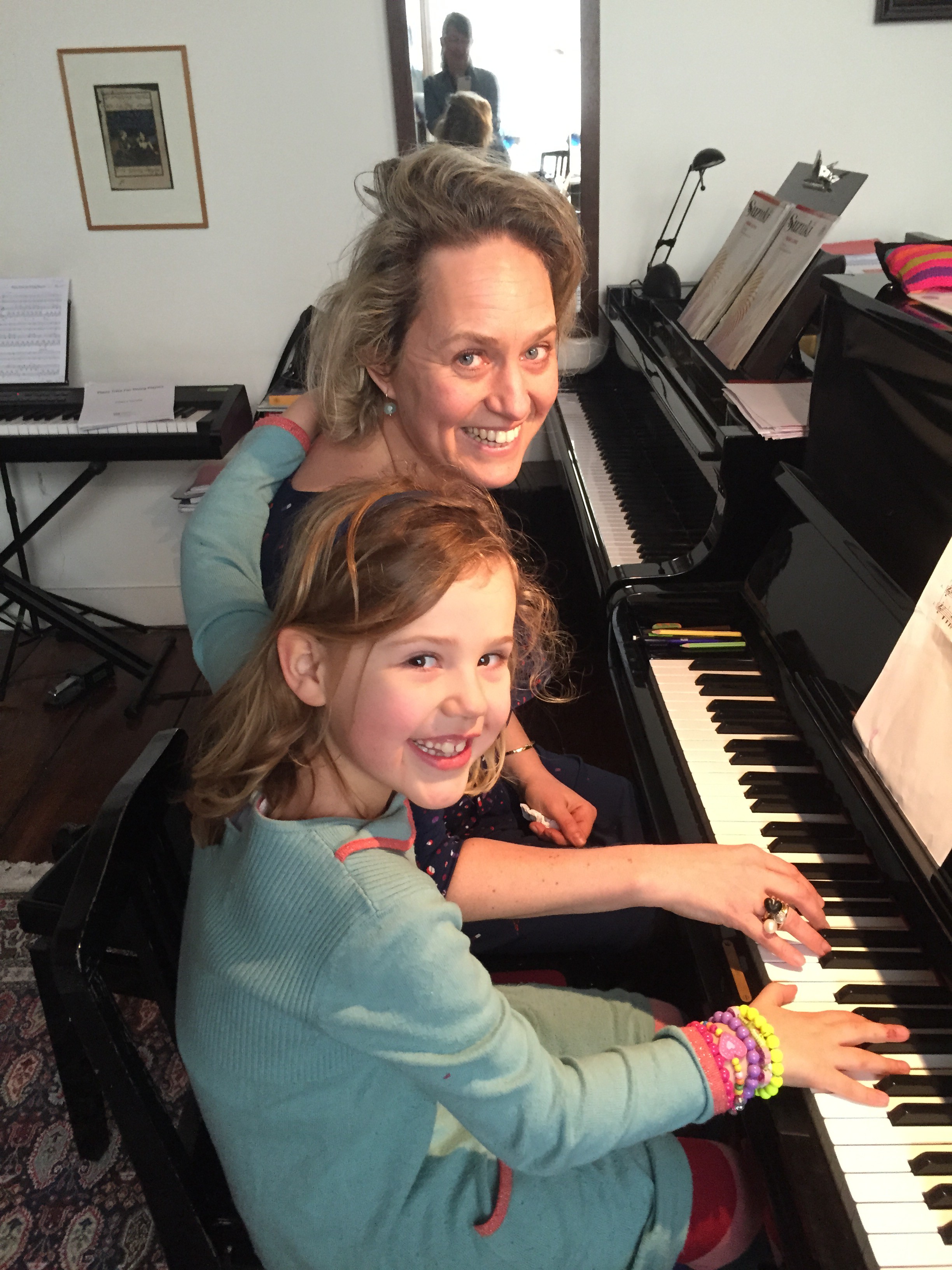
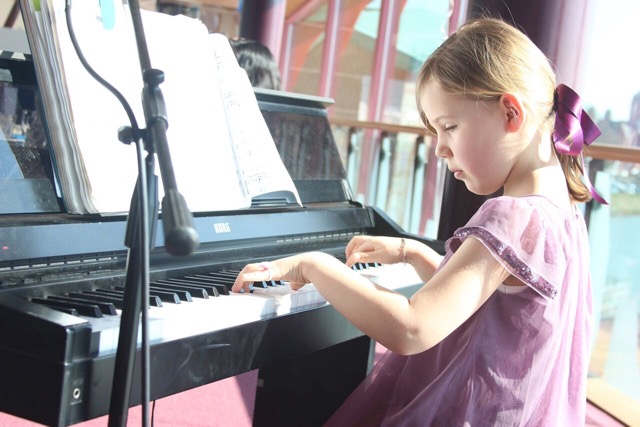
Op zondag 5 juni 2016 vindt er een Piano Trio dag plaats in het Zeemanshuis te Amsterdam waarbij allemaal ‘Piano Trios for Young Players’ van mijn hand gespeeld gaan worden door diverse violisten, cellisten, pianisten en fluitisten. Er worden in totaal 10 trio’s uitgevoerd door allemaal ‘Young Players’. Er doen ± 30 kinderen aan mee, en diverse docenten. De dag wordt georganiseerd door violiste/viooldocente Monique Dowgwillo. Voor deze dag zijn een aantal nieuwe trio’s geschreven speciaal voor fluit, viool en piano en voor fluit, cello en piano. Deze zullen uitgegeven worden in de Alfred (UK) serie waarvan binnenkort de eerste twee delen uitkomen.
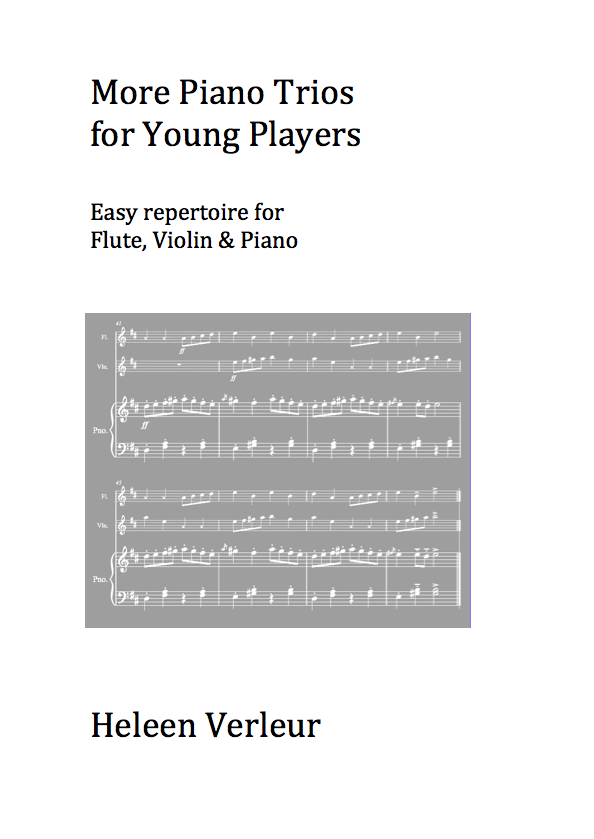
Cover nieuwe trio’s
Dit is de samenstelling van de groepen (de namen tussen haakjes zijn de docenten):
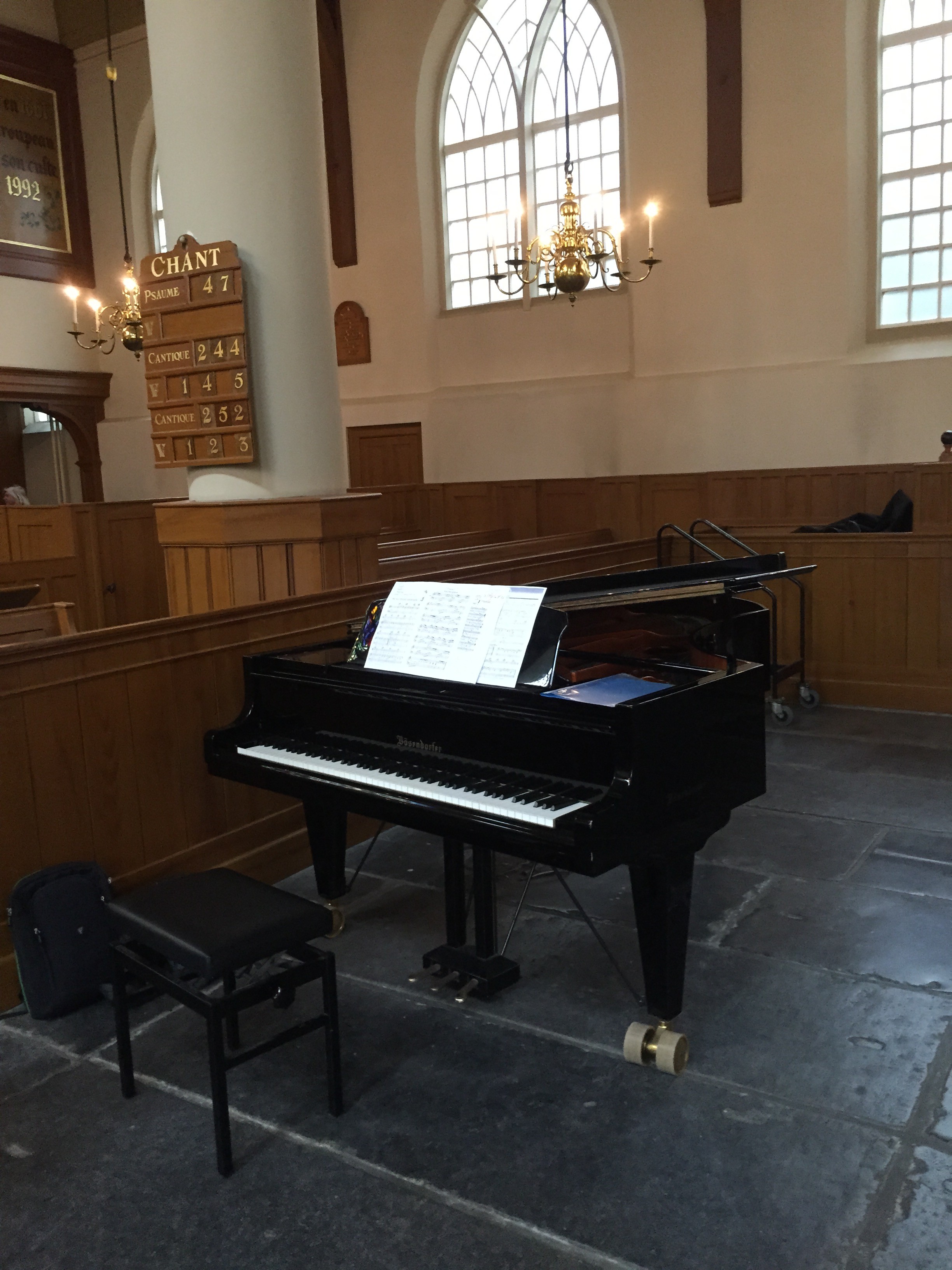
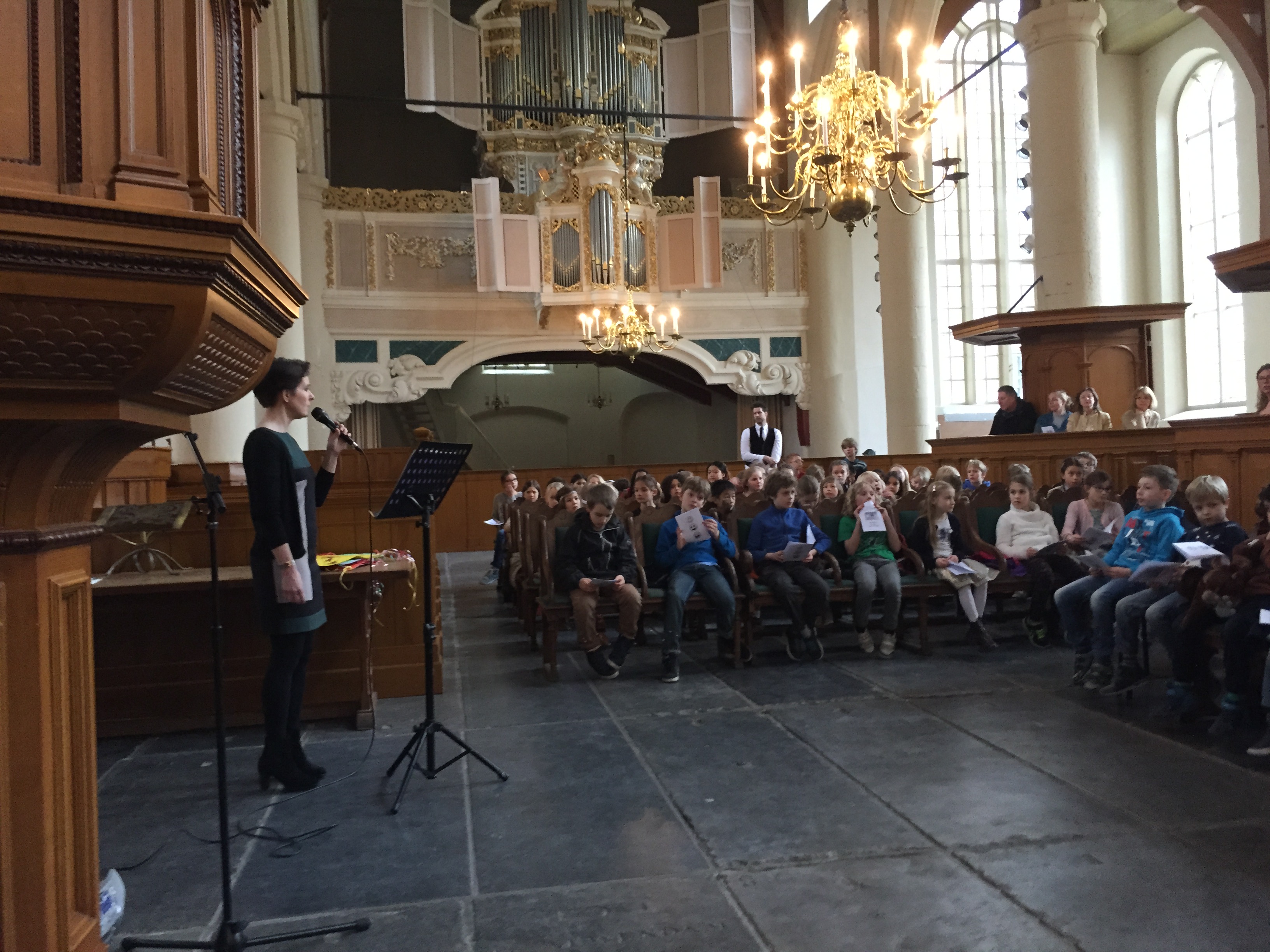
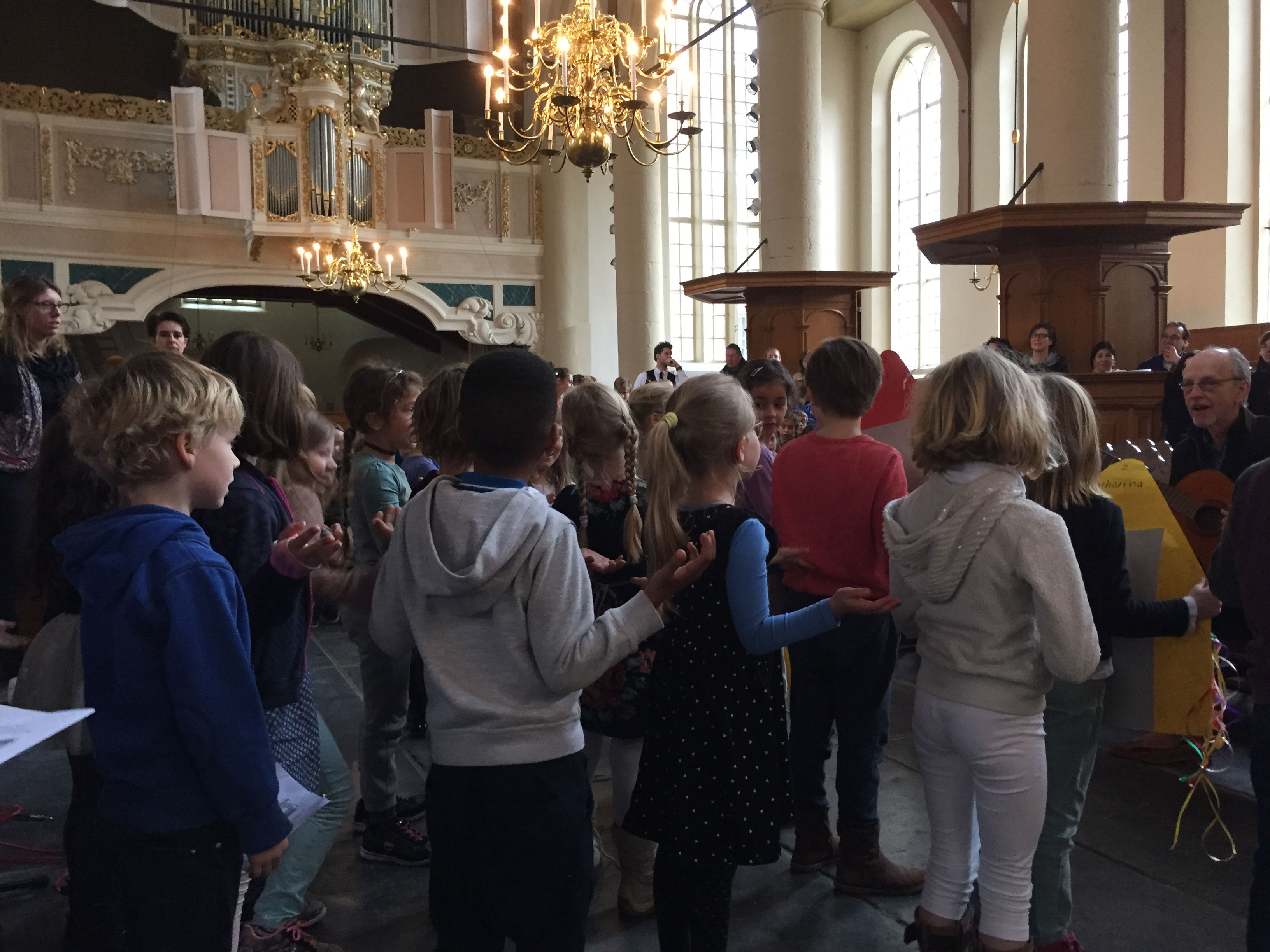
Vanochtend was ik bij de Paasviering van de Antoniusschool (de school waar onze dochters ook op hebben gezeten) in de Waalse Kerk te Amsterdam, om dit muzikaal te begeleiden op piano.
Prachtige locatie, akoestiek, en mooie Bösendorfer vleugel.
De kinderen deden het heel goed, de bijeenkomst raakte mij diep.
Het thema was vluchtelingen.
vertelde over zijn ervaringen met vluchtelingen in Griekenland. De liedjes waren goed uitgekozen en mooi gezongen. Het raakte een snaar, en dan niet alleen een pianosnaar.
Tja, een fijn instrument is toch wel echt een kado!Het Paasverhaal, goed samengevat door juf MarciaZingen met meester Henri Overduin
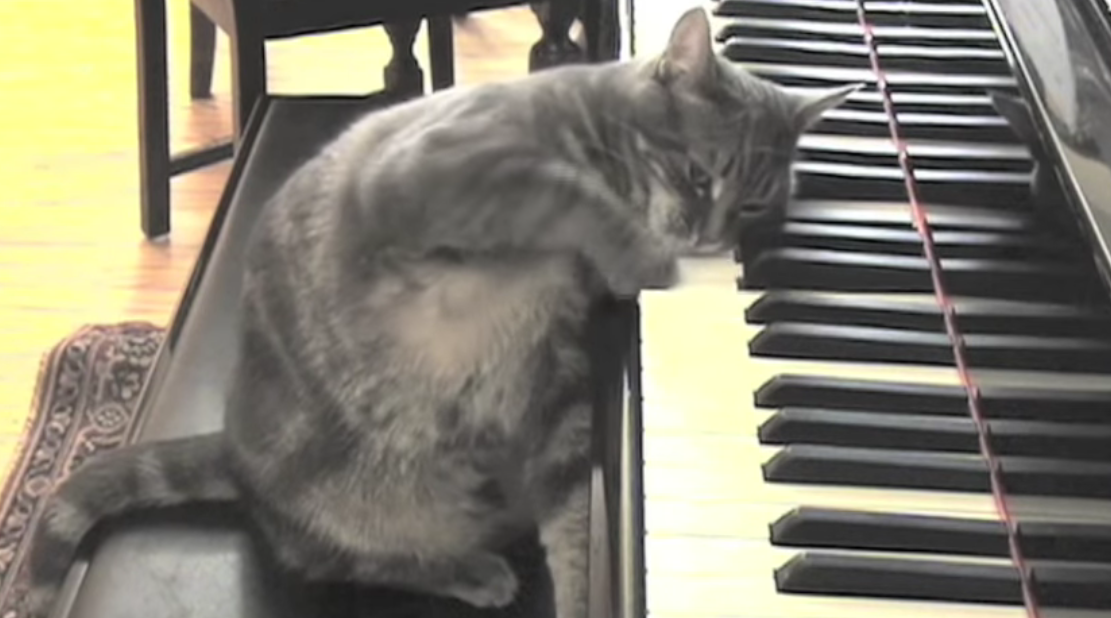
Dat olifanten dieren zijn met een hoog bewustzijn, dat wisten we al.
Maar deze twee films op Youtube (alweer van een tijdje geleden, maar daarom niet minder opmerkelijk) zijn echt ongelooflijk.
Op de eerste staan twee olifanten, Kelly en Viola, prachtig te dansen op het Concerto voor twee violen van J.S.Bach:
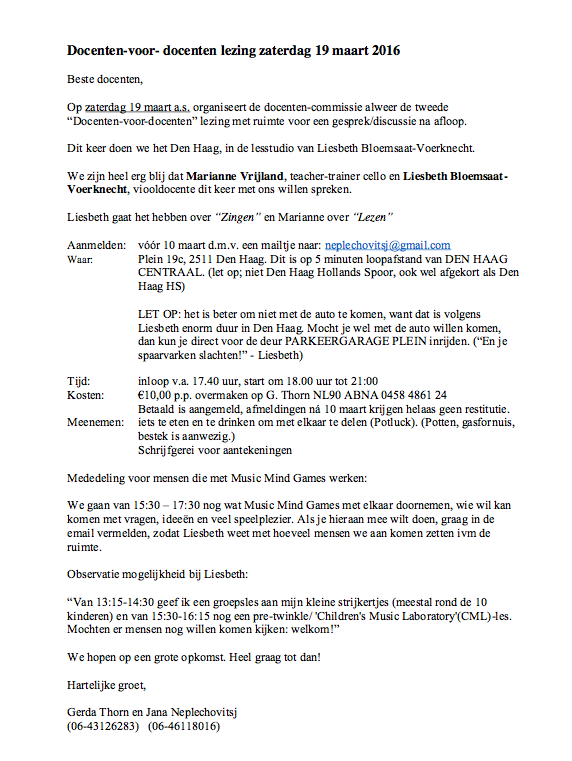
Afgelopen zaterdag 19 maart waren een aantal docenten te gast in de studio van Liesbeth Bloemsaat-Voerknecht. Deze dag werd georganiseerd door Suzuki-docenten Gerda Thorn (fluit) en Jana Neplechovitsj (piano).
’s Middags waren er groepslessen aan jonge strijkertjes geleid door viooldocente Liesbeth. De sfeer was zeer geconcentreerd maar er was ook ruimte voor kleine grapjes en verhaaltjes van de kinderen.
Tevens was er een enthousiasmerende demonstratie van de Music Mind Games door Jana Neplechovitsj.
’s Avonds inspirerende lezingen door twee docenten: Liesbeth zelf en teachertrainer cello Marianne Vrijland.
In het SuzukiNieuws volgt hierover nog een artikel van mijn hand.
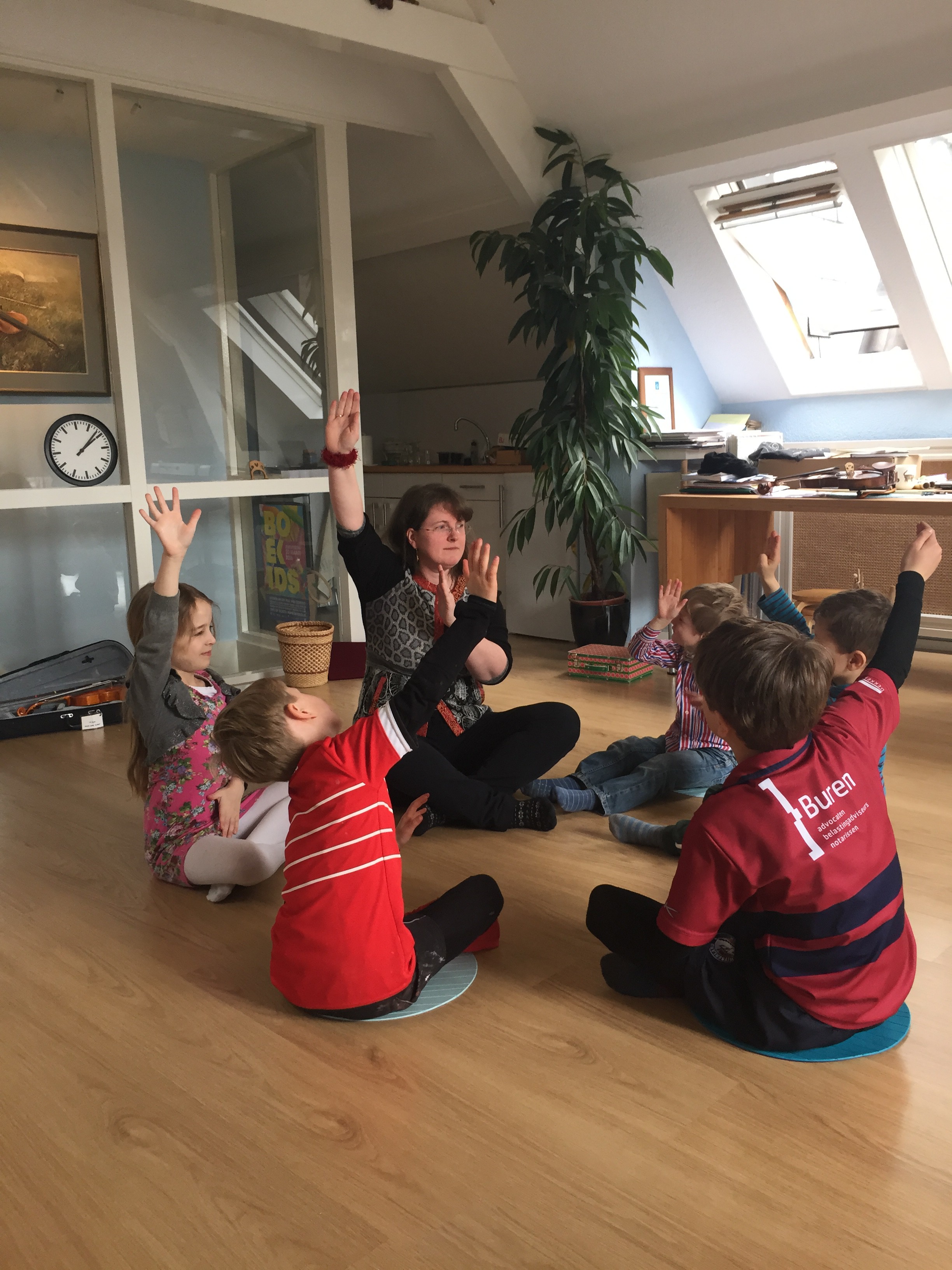
Groepsles jonge strijkers olv LiesbethSchema Suzuki-dag Den Haag
Op zondag 29 mei 2016 zal er een leerlingenmiddag plaatsvinden in de Zuidhal van het Vierwindenhuis.
Er zullen zowel kinderen uit Almere als uit Amsterdam aan meedoen. Allen zijn leerlingen van Heleen Verleur.
De middag begint om 15 uur en zal duren tot ongeveer 16:30.
Voor meer info over locatie: Route Vierwindenhuis
This interesting article was pubished by the Washinton Post. I should like to share it with you.
Photo: Heleen Verleur
If you’re trying to improve your golf swing or master that tricky guitar chord progression, here’s some good news from researchers at Johns Hopkins University: You may be able to double how quickly you learn skills like these by introducing subtle variations into your practice routine.
The received wisdom on learning motor skills goes something like this: You need to build up “muscle memory” in order to perform mechanical tasks, like playing musical instruments or sports, quickly and efficiently. And the way you do that is via rote repetition — return hundreds of tennis serves, play that F major scale over and over until your fingers bleed, etc.
The wisdom on this isn’t necessarily wrong, but the Hopkins research suggests it’s incomplete. Rather than doing the same thing over and over, you might be able to learn things even faster — like, twice as fast — if you change up your routine. Practicing your baseball swing? Change the size and weight of your bat. Trying to nail a 12-bar blues in A major on the guitar? Spend 20 minutes playing the blues in E major, too. Practice your backhand using tennis rackets of varying size and weight.
“What we found is if you practice a slightly modified version of a task you want to master, you actually learn more and faster than if you just keep practicing the exact same thing multiple times in a row,” said Pablo Celnik, an author on the study, in a statement.
Here’s how they arrived at that conclusion. The researchers recruited 86 healthy volunteers and asked them to learn how to perform an abstract motor task that involved moving a cursor across a screen by squeezing an object connected to the computer. “The screen test featured five windows and a ‘home space,’ ” according to a release describing the study. “Participants were asked to move the cursor from home to the various windows in a set pattern as quickly and accurately as possible.”
Essentially, the recruits had to learn how to use a mouse that operated via squeezing, rather than sliding around.
The subjects were separated into three groups. All three groups participated in an initial testing session. Then, two of the groups did a follow-up exercise six hours later. The first group performed the exact same test as before. The second group did a six-hour follow-up too, but their test was different. The rules were similar — move a cursor around by squeezing something — but the researchers subtly altered the test by changing the amount of force required to use the cursor.
A third group, serving as a control, didn’t perform any six-hour followup.
Finally, all three groups performed the initial test again, 24 hours after it was first taken. The question: Which group would perform best, showing the greatest increase in ability to move the cursor?
The control group — the ones who didn’t do a six-hour follow-up session — performed the worst. The group that repeated the exact same test six hours later did considerably better.
But the folks who did the variation of the test at six hours performed best of all — 24 hours after the initial session they scored nearly twice as high on the task as the group that did the same test at six hours.
“For skills to improve, we must update an existing memory with new information,” the researchers conclude. If you practice the exact same thing the exact same way every time, you’re not layering much new knowledge over what you already know.
But, the theory goes, subtly changing things up and adding tension between what your body already knows and what it doesn’t can help you learn skills faster.
The researchers caution that it’s important not to change things up too much. If you’re trying to improve your golf swing and spend 20 minutes a day shooting hoops, you’re probably not doing yourself any favors. “If you make the altered task too different, people do not get the gain we observed,” Celnik said. “The modification between sessions needs to be subtle.”
Source: Christopher Ingraham from The Washington Post